
San Diego, CA
The Impact of Humidity on Hardwood Floors and How to Manage It
Piero Carlo Galofaro Silva • April 12, 2025
Hardwood floors are a timeless and elegant choice for any home, offering warmth, beauty, and durability. However, they require proper care to maintain their integrity and longevity. One of the most significant factors affecting hardwood floors is humidity.
Changes in moisture levels can lead to expansion, contraction, warping, or even permanent damage. Whether you live in a humid coastal region or experience dry winter air, understanding how humidity impacts hardwood flooring and how to manage it is crucial for protecting your investment.
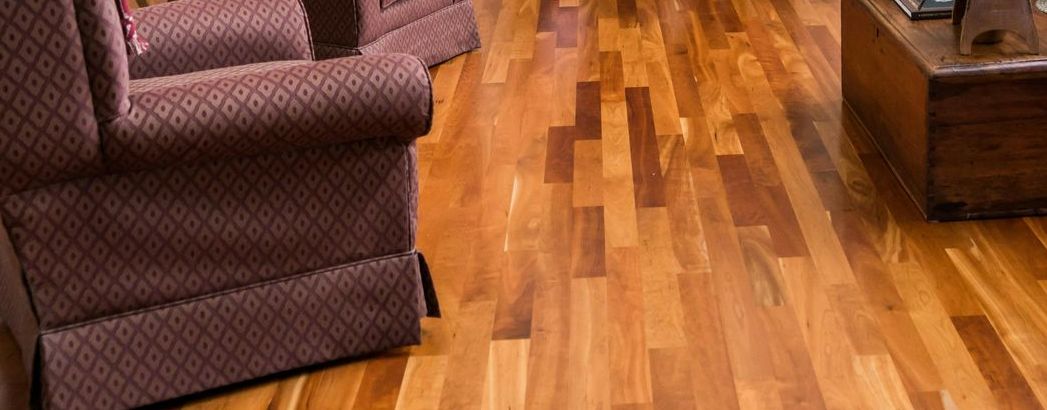
How Humidity Affects Hardwood Floors
1. High Humidity: Swelling and Warping
When humidity levels rise, hardwood floors absorb moisture from the air. This excess moisture causes the wood to expand, which can lead to several issues:
- Cupping – The edges of each plank rise higher than the center, creating an uneven, wavy surface. This often occurs when moisture seeps into the wood from below or excessive humidity is present in the home.
- Buckling – In extreme cases, high humidity can cause the wood to swell so much that planks lift entirely from the subfloor, leading to severe structural damage.
- Gaps Closing – While minor gaps in hardwood floors are normal, excessive humidity can cause the boards to swell and fit too tightly together, potentially leading to future warping.
Regions with humid summers or homes with inadequate ventilation are more susceptible to these problems. Without proper moisture control, the integrity of hardwood flooring may be compromised over time.
2. Low Humidity: Shrinking and Cracking
Conversely, when humidity levels drop, hardwood floors lose moisture and begin to contract. This shrinkage can cause various problems, such as:
- Gapping – As the wood dries out, small gaps appear between the planks, making the floor look uneven.
- Splitting and Cracking – Severe dryness can cause individual planks to crack or split, permanently damaging the wood.
- Loose Boards – Over time, repeated cycles of shrinking and expanding can weaken the adhesive or fasteners, causing boards to loosen.
Low humidity is often a concern during the winter when indoor heating systems remove moisture from the air. Dry air accelerates the deterioration of hardwood floors, emphasizing the need for proactive moisture management.
How to Manage Humidity for Hardwood Floors
Maintain Ideal Indoor Humidity Levels
To keep hardwood floors in pristine condition, aim for an indoor humidity level between 35% and 55% year-round. Use a hygrometer to measure humidity levels and make necessary adjustments.
Use a Humidifier in Winter
During cold months, heating systems can drastically reduce indoor humidity levels, leading to wood shrinkage. A humidifier helps maintain proper moisture levels, preventing cracks and gaps from forming.
Use a Dehumidifier in Summer
If you experience high humidity during warmer months, a dehumidifier will remove excess moisture from the air, preventing expansion and warping. Keeping humidity levels stable is key to preventing long-term damage.
Ensure Proper Ventilation
Proper airflow is essential for controlling humidity. To avoid moisture buildup:
- Use exhaust fans in kitchens and bathrooms.
- Open windows when weather permits to improve air circulation.
- Invest in an air purifier with humidity control features.
Control Spills and Moisture Exposure
Hardwood floors should never be exposed to prolonged moisture. To protect your floors:
- Wipe up spills immediately with a dry or slightly damp cloth.
- Avoid using excessive water when mopping—opt for a damp mop instead.
- Place mats near entryways to catch moisture and dirt from shoes.
Choose the Right Hardwood Flooring for Your Climate
If you're installing new hardwood flooring, consider the climate of your region. Some wood species, such as engineered hardwood, are more resistant to humidity fluctuations. Consulting a professional about the best flooring option for your environment can prevent many moisture-related issues.
Invest in Professional Cleaning and Maintenance
Regular professional maintenance ensures that your hardwood floors stay in peak condition. Professional cleaning removes dirt, allergens, and buildup that can trap moisture and affect the wood's integrity.
Schedule a Professional Hardwood Floor Cleaning Today!
Protect your investment and keep your hardwood floors looking flawless with expert cleaning and maintenance. At It’s All Clean San Diego, we specialize in professional hardwood floor cleaning, using advanced techniques to remove dirt, moisture buildup, and allergens while preserving the natural beauty of your floors.
Don’t let humidity ruin your hardwood flooring! Schedule an appointment with It’s All Clean San Diego today. Call us now or book online for a free estimate and enjoy a cleaner, healthier home.
- All rights reserved -
It's All Clean San Diego © 2021
Pick a service, and we’ll be there.
Your go-to clean, green, full-service team.
Got a mess? We’ve got you covered. At It’s All Clean San Diego, we have professional commercial cleaning and residential house cleaning services for every need.
Our family-owned, full-service professional floor cleaning company has served residential and commercial customers in San Diego for nearly 20 years.


+1 (619) 800-3951

info@itsallcleansandiego.com